Vitamin C & Vaginal Health: Why It Matters

February 4, 2019
When women are dealing with recurring infections – yeast, BV, UTIs, herpes outbreaks, HPV – often the focus is often only on treatment.
But what often gets overlooked is immune resilience.
And Vitamin C plays a key role in that.
The recommended daily intake of Vitamin C for adult women is 75 mg (higher during pregnancy and in certain health conditions), but many women dealing with chronic infections benefit from ensuring consistent intake through food — and sometimes supplementation.
Here’s why it matters.
1. Immune Support During Recurring Infections
Vitamin C supports white blood cell function and helps regulate inflammatory response.
If you’re experiencing:
- Frequent viral infections – the common cold, flus, other viral infections
- Recurring herpes outbreaks – both genital and/or oral
- Slow healing process after infections
- Persistent fatigue
It’s worth assessing your nutrient status.
Vitamin C doesn’t “cure” viral infections – but it supports the immune system so your body can regulate them more effectively.
2. Skin & Tissue Repair
Vitamin C plays a role in collagen production.
That matters for:
- Healing after genital or oral herpes outbreaks
- Supporting tissue repair after yeast infections
- Maintaining healthy vaginal skin integrity
When tissues are inflamed or irritated, repair capacity matters.
3. Nervous System & Stress Support
Chronic stress can suppress immune function and increase outbreak frequency for some women.
Vitamin C helps regulate cortisol levels and supports adrenal function, which may indirectly benefit women whose infections flare during high-stress periods.
This is part of why immune and nervous system support are always included in my holistic protocols.
4. Iron Absorption & Energy
Vitamin C enhances iron absorption.
Low iron can contribute to fatigue, low mood, and reduced resilience – all of which impact sexual confidence and overall wellbeing.
Best Food Sources of Vitamin C
Focus on whole food intake first:
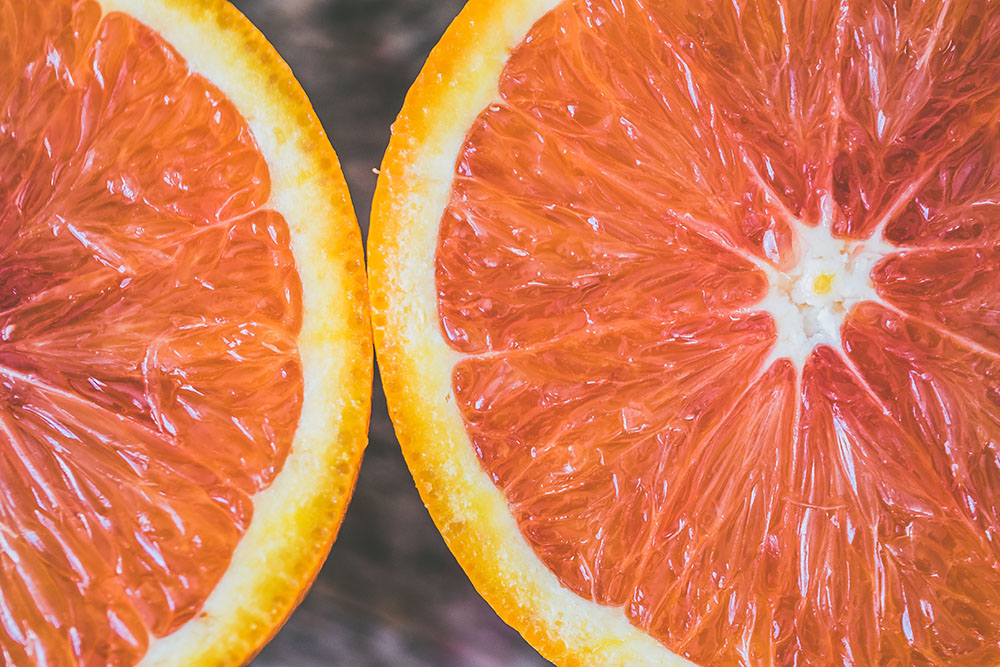
- Citrus fruits
- Berries
- Kiwi
- Guava
- Bell peppers
- Tomatoes
- Leafy greens
- Broccoli, cabbage, Brussels sprouts
- Cantaloupe
Whole food sources provide fiber and additional phytonutrients that support gut health.
Should You Supplement?
Supplementation can be supportive in certain cases, especially during periods of stress or infection recovery.
However, more is not always better. Dosing should be thoughtful and appropriate to the individual.
If you’re considering supplementation, it’s important to assess your overall diet and health context rather than guessing.
The Bigger Picture
Vitamin C alone will not resolve chronic vaginal infections.
But micronutrient status matters.
Recurring yeast, BV, UTIs, candida overgrowth, herpes outbreaks, and HPV management require a broader gut-immune-nervous system approach.
That’s exactly what the Yoni Healing Diet addresses – a structured gut reset designed for women dealing with recurring infections at the root.
If you’re ready for a comprehensive protocol rather than isolated tips, click on the Yoni Healing Diet to learn more.
If you need personalized support to assess your situation, my 1:1 support calls are available.
You may like these too

How to Manage Recurring Vaginal Infections Around Your Period
Do your infections show up like clockwork? Right before your period.During your period.Or right afte
Tags
November 14, 2023
How to Heal Your Gut After Hormonal Birth Control
Long-term hormonal birth control can impact more than your cycle. It can alter your gut microbiome,
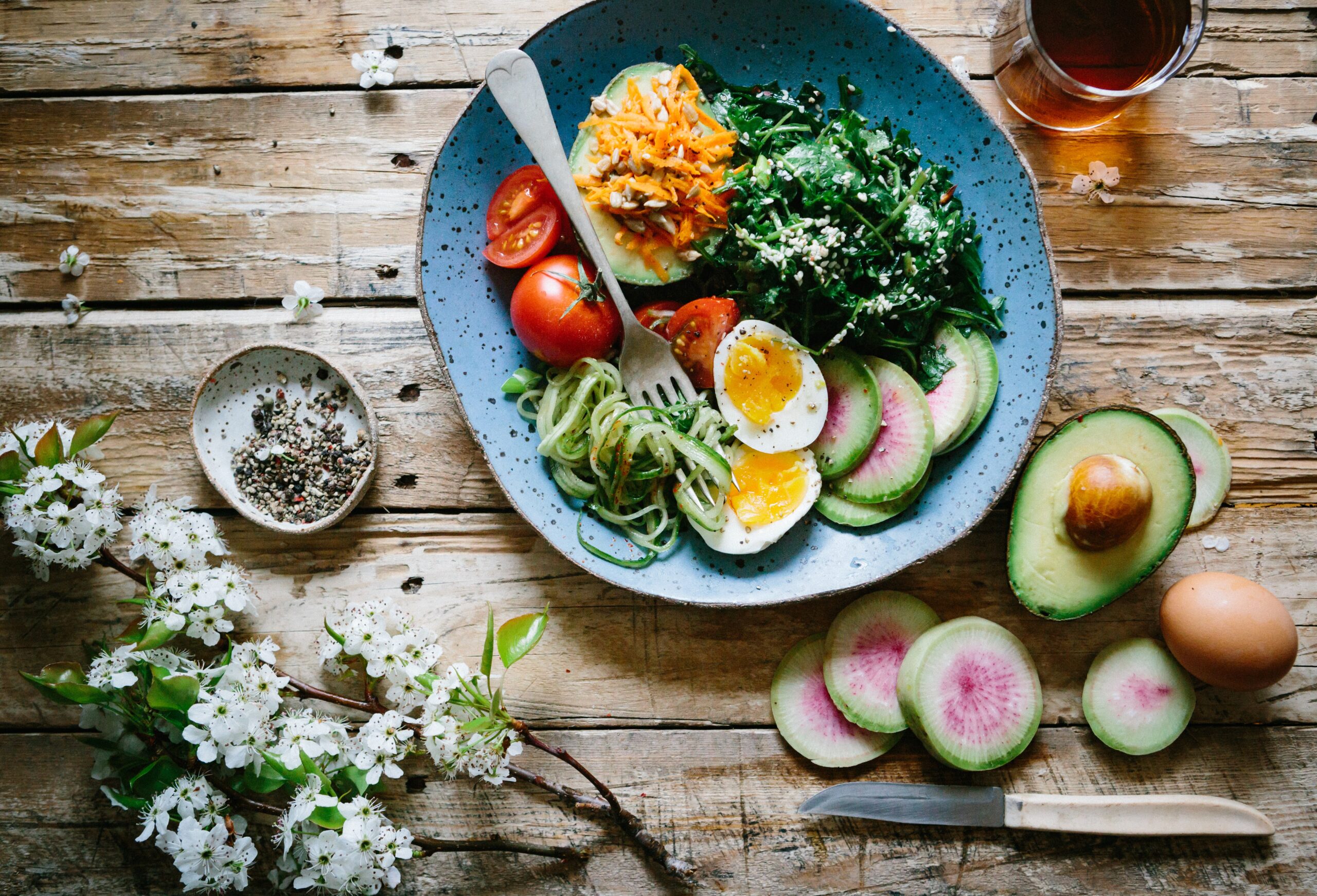
5 Foods That Support Vaginal Health
Your vaginal health is directly connected to your gut. What you eat influences: When your gut microb
Tags
January 19, 2023

The Secret To A Happy, Healthy Vagina
Everyone wants a happy, healthy vagina. But if you’ve been stuck in the cycle of: …you already k
Tags
November 10, 2022