Why Vaginal pH Matters (And How to Keep It Balanced)

June 23, 2021
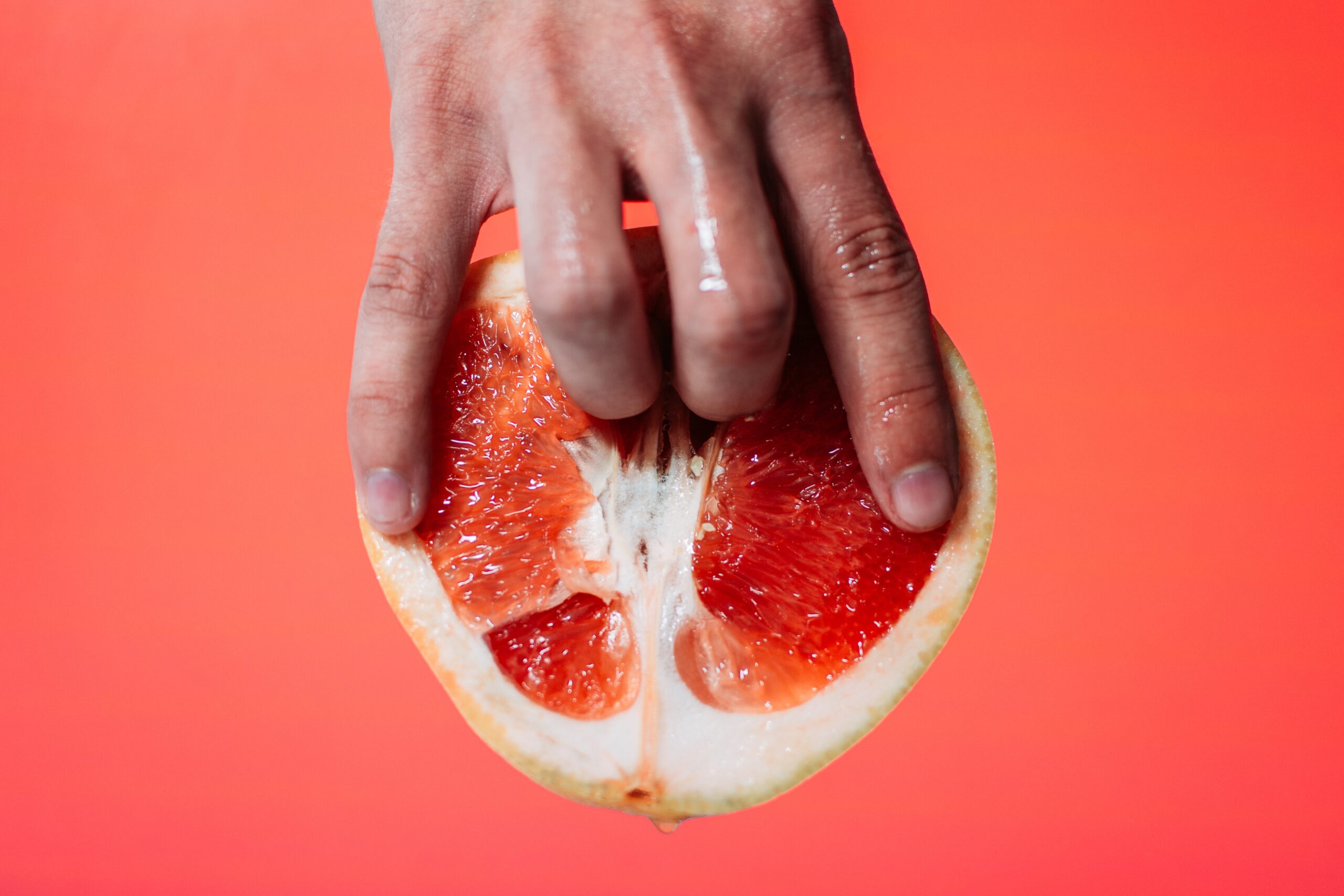
Your vagina has its own pH – and it plays a major role in preventing infections.
A healthy vaginal pH typically sits between 3.8–4.5, which is slightly acidic.
(For reference: pH <7 = acidic, 7 = neutral, >7 = alkaline.)
That acidity isn’t bad – it actually protects you.
Your vaginal microbiome contains beneficial bacteria (primarily lactobacilli) that produce lactic acid. This acidic environment:
- Prevents harmful bacteria from overgrowing
- Protects against yeast infections and BV
- Supports tissue integrity and lubrication
When that pH shifts out of range, infections become much more likely.
What Happens When Vaginal pH Is Off?
An imbalanced vaginal pH can increase risk of:
- Bacterial Vaginosis (BV)
- Yeast infections
- Urinary tract infections
- Increased STI susceptibility
Typically:
- Yeast infections thrive in more acidic environments
- BV develops when the vagina becomes more alkaline
Common Symptoms of pH Imbalance:
- Strong odor (fishy with BV; yeasty/sourdough-like with yeast)
- Itching
- Burning
- Swelling
- Pain with urination or sex
- Abnormal discharge
What Disrupts Vaginal pH?
1. Diet & Blood Sugar
High sugar intake and inflammatory foods can disrupt both gut and vaginal flora.
Your vaginal microbiome is connected to your gut microbiome. When gut bacteria are imbalanced, vaginal bacteria often follow.
Excess sugar feeds harmful bacteria and yeast.
2. Your Menstrual Cycle
Hormones shift vaginal pH naturally.
- Menstrual blood has a pH around 7.4 (more alkaline)
- Many women notice infections during or after their period
- The luteal phase (post-ovulation) is also a common trigger window
If you experience recurring infections, cycle-aware nutrition becomes important.
3. Ejaculatory Sex
Semen has a pH between 7.2–8.0 (alkaline).
If you’re prone to BV or yeast, frequent unprotected ejaculatory sex can disrupt balance.
Using condoms or adjusting sexual hygiene practices can help.
4. Antibiotics & Birth Control
Antibiotics kill both good and bad bacteria – often wiping out protective lactobacilli.
Hormonal contraceptives may alter vaginal ecology in some women.
5. Douching & Scented Products
The vagina is self-cleaning internally.
Douching, scented washes, bubble baths, fragranced pads/tampons – all can raise vaginal pH and trigger infections.
How to Maintain Healthy Vaginal pH
1. Support Gut Health
This is the part most women are never told.
Your vaginal health reflects your gut health.
Stabilizing blood sugar, reducing inflammatory foods, and rebuilding gut flora is often the missing piece in chronic BV or yeast cycles.
This is exactly what the Yoni Healing Diet is designed to address – not just symptom relief, but microbiome repair.
2. Use Condoms If You’re Infection-Prone
Especially if you notice a pattern after sex.
3. Avoid Douching
Wash externally only.
Use unscented, gentle products if needed.
4. Let Your Vagina Breathe
- Cotton underwear
- Change out of wet clothes quickly
- Avoid overly tight synthetic fabrics
If You’re Dealing With Recurring BV or Yeast…
Temporary treatments (antibiotics, antifungals) can relieve symptoms.
But recurrence rates are high.
If your infections keep coming back, that’s not a hygiene issue – it’s usually a microbiome issue.
The Yoni Healing Diet is my structured, gut-focused elimination program designed specifically for women experiencing:
- Chronic BV
- Recurring yeast infections
- UTI cycles
- Combined vaginal and gut symptoms
It addresses the root cause instead of chasing symptoms.
You can explore it under Programs on my site.
If you need personalized support, I also offer 1:1 calls and longer-term coaching.
Tags
You may like these too

How to Manage Recurring Vaginal Infections Around Your Period
Do your infections show up like clockwork? Right before your period.During your period.Or right afte
Tags
November 14, 2023
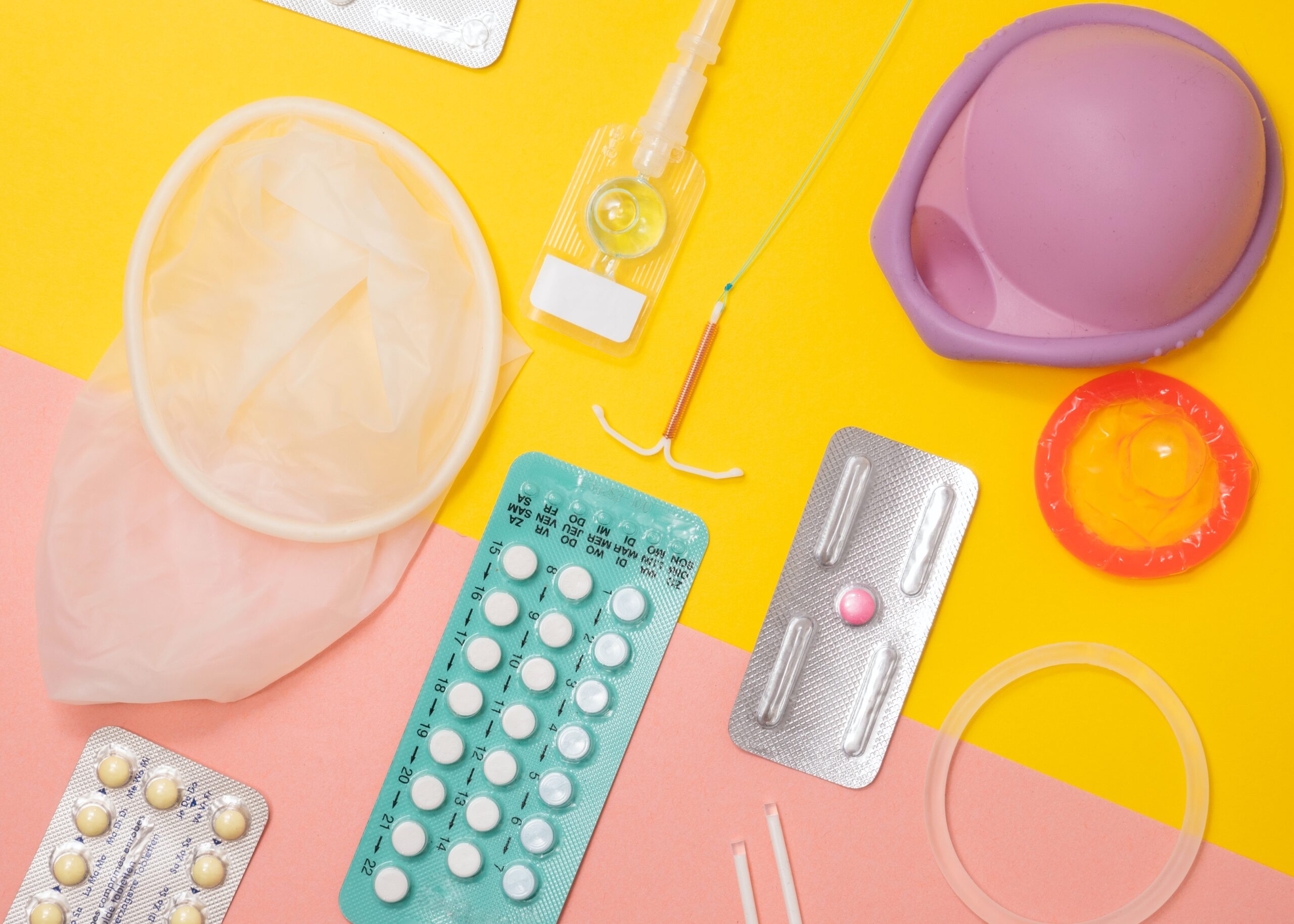
How to Heal Your Gut After Hormonal Birth Control
Long-term hormonal birth control can impact more than your cycle. It can alter your gut microbiome,
5 Foods That Support Vaginal Health
Your vaginal health is directly connected to your gut. What you eat influences: When your gut microb
Tags
January 19, 2023

The Secret To A Happy, Healthy Vagina
Everyone wants a happy, healthy vagina. But if you’ve been stuck in the cycle of: …you already k
Tags
November 10, 2022